
Fernandina Beach OKs New Marina Walkway, Clearing Way for Brett’s Removal
- Mike Lednovich
- 22 hours ago
- 3 min read

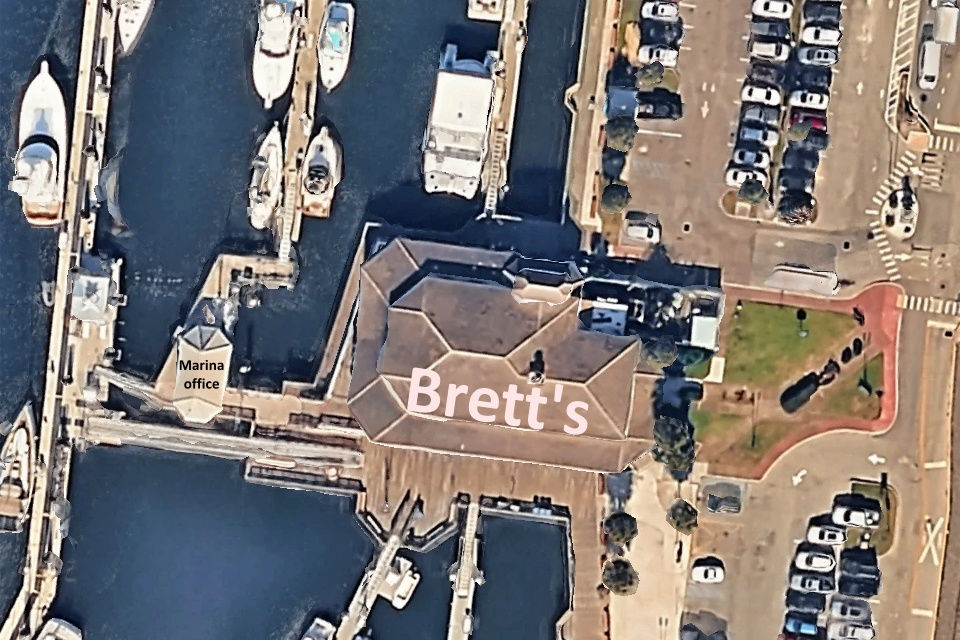
Removing a deteriorated concrete structure, relocating and rebuilding the marina’s primary pedestrian access, and opening a clearer view corridor from Centre Street to the Amelia River form the core of a redesigned marina walkway plan that won consensus Tuesday from the Fernandina Beach City Commission once demolition of Brett’s Waterway Cafe is complete.
The revised concept replaces the existing timber walkway and the concrete “fish hook” structure beneath the current marina operations building with a new central timber promenade built slightly farther north. The plan consolidates dock access, adds gated security at gangways, and repurposes the footprint of the demolished marina building into public decking. Passero Associates' consultants told commissioners the changes would also reduce construction time and risk while improving long-term resiliency.
“This would become the focal point of the marina,” said Andrew Halesko, CEO/Senior Planner with Passero Associates. “We really asked ourselves, are we going to spend all this money and then leave an aging concrete structure right in the middle? It’s past its useful life, it has excess pilings, and some of them aren’t even connected to anything.”
Halesko said moving away from rehabilitating the existing timber walkway addresses a critical vulnerability. Once Brett’s is demolished, the current walkway would become the marina’s only pedestrian access, yet it already experiences tidal flooding “somewhere between 15 and 25 events of the year.”

“We looked at raising that walkway two feet,” Halesko said. “But then you’re putting a brand-new structure on 20-year-old pilings, still dealing with a single point of access, and asking a contractor to demo Brett’s while keeping that narrow walkway open. It’s technically feasible, but it adds time, cost, and risk.”
By constructing a new walkway adjacent to the old one, the city can keep marina access open during construction, then remove the older structure entirely.
“Even saving 30 days is $50,000 to $100,000,” Halesko said, citing daily barge and crane costs of $2,500 to $5,000. Overall, consultants estimated the redesign could save up to $300,000 and cut three to four months from the construction schedule.
The new configuration also improves marina operations by placing five gangway connections around a central walkway rather than stretching them north and south. “When we move the timber walkway to the north, all five connections are now central to all of the docks,” Halesko said. “You’re in the middle of it all. It’s the most effective access point.”

Halesko said security is another improvement. The redesigned plan includes gated gangways using key cards or punch pads, a feature marina staff said is standard in the industry.
“Right now, you can just walk out onto the docks,” Halesko told commissioners. “That’s really not the standard, and this gives us better control while still allowing public access to the main walkway.”
The redesign keeps the marina fuel system in its existing location rather than relocating it closer to the parking lots, a change Halesko said significantly reduces risk.
“We do not want to risk losing fuel at the marina,” he said. “By keeping it where it is, we minimize downtime, reduce impacts to parking and loading zones, and save an estimated 60-to-90 days and more than $100,000.”
Commissioners responded favorably.
Vice Mayor Darron Ayscue stressed the importance of maintaining daytime public access while securing the marina at night, a policy question staff will return to the commission for direction.
Commissioner Genece Minshew praised the effort to “do this better, smarter, with less cost and less time,” while Commissioner Tim Poynter summed up the consensus succinctly: “The cheaper the better and the quicker.”
City Manager Sarah Campbell noted that other elements of the riverside walkway are constrained by previously completed engineering tied to the seawall design and would require significant reengineering to change.
Staff and consultants are expected to return with more detailed bidding, phasing, and cost information, including alternatives for natural versus synthetic decking materials. Construction is targeted to begin in summer 2026, after the Isle of Eight Flags Shrimp Festival.


Comments